
While much of the country slows down in winter, Yellowstone National Park transforms into a stark, stunning frozen landscape, home to resilient wildlife. Snow blankets the valleys, geysers steam in the cold, and tracks in the snow hint at the quiet drama unfolding across the park. For those lucky enough to join Yellowstone snowcoach tours, winter offers a unique opportunity to witness some of the park’s most iconic animals displaying extraordinary survival strategies.
At Wildlife Expeditions, we’ve been guiding curious travelers through this frozen wonderland for over 25 years. We’re not just showing you the animals, we’re helping you understand how they survive.
Let’s take a closer look at how wolves, elk, bison, and other wildlife adapt to Yellowstone’s deep freeze and why winter might be the best time to visit.
1. Yellowstone’s Winter: A Test of Endurance
Winter in Yellowstone isn’t mild. Temperatures regularly drop below zero, snow piles up several feet deep, and food becomes increasingly scarce. Yet this ecosystem has been supporting wildlife through winter for millennia.
Some species migrate, some hibernate, and others adapt in place. Those that remain visible throughout the season, like wolves, elk, and bison, have evolved sophisticated behaviors and physical traits to thrive in these harsh conditions.
This is what makes Winter Yellowstone wildlife tours so special. You’re not just seeing animals, you’re seeing nature’s playbook for survival in real time.
2. Wolves: Masters of Winter Strategy
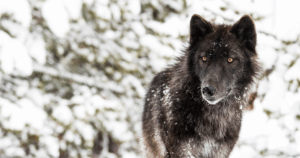
Yellowstone wolf spotting in winter is one of the top reasons travelers choose snowcoach tours. Winter provides the best conditions for viewing, as wolves are more visible against the snow and their movements are easier to track.
How Wolves Survive Winter
- Efficient Hunters: Wolves expend less energy chasing prey in winter. Deep snow slows down elk and bison, giving wolves an advantage.
- Social Cooperation: Wolf packs rely heavily on teamwork. They rotate leaders during hunts and share food, ensuring the whole pack survives.
- Thick Coats: A double-layered fur coat helps them conserve heat. Their outer guard hairs repel moisture while their dense undercoat traps warmth.
Field Note from a Wildlife Expeditions Naturalist
“Winter is when wolves shine. You’ll often see them at dawn or dusk, following elk herds or traveling along ridgelines. It’s humbling to see how coordinated they are even in 10°F weather.”
3. Elk: Balancing Migration and Endurance
Elk are another winter wildlife staple, and many guests on our guided snowcoach tours in Yellowstone National Park come hoping to see them moving in herds across the valleys.
Elk Winter Behavior
- Seasonal Migration: Some herds move to lower elevations around the park’s borders or into Jackson Hole, where the snow is shallower.
- Fat Reserves: Elk spend the fall gorging on food to build up fat stores. These reserves help them survive on minimal winter forage.
- Group Behavior: Traveling in herds helps them stay alert to predators like wolves and conserve energy by following trails already broken through snow.
4. Bison: The Snowplows of Yellowstone
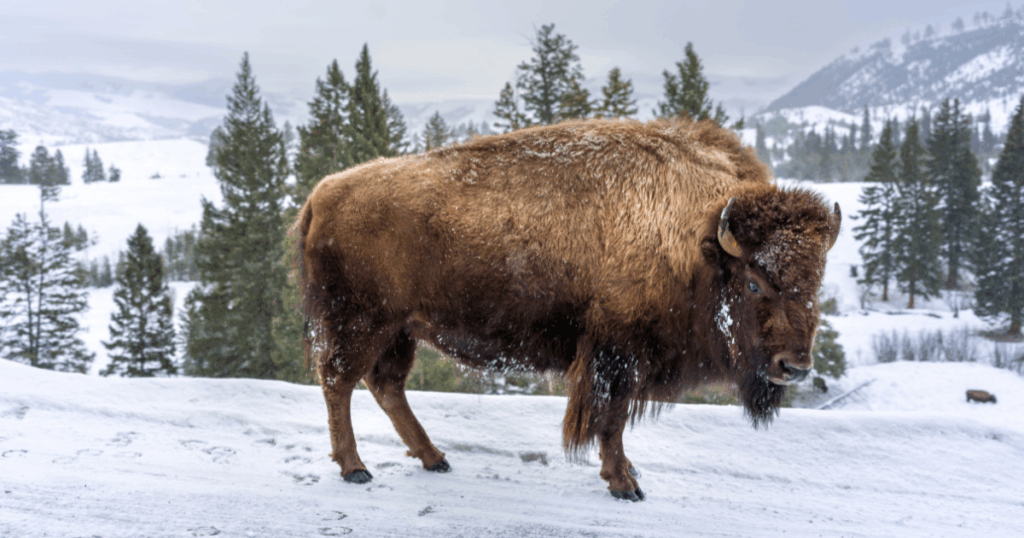
If there’s one animal that symbolizes Yellowstone bison winter viewing, it’s the shaggy, frost-covered bison. Despite the cold, they stay put in the park all winter, offering incredible sightings from the comfort of a snowcoach.
Winter Adaptations
- Built-in Snow Shovel: Bison use their massive heads to sweep aside snow and uncover grasses beneath. You’ll often see them swinging their heads side to side to dig.
- Thermal Regulation: A thick coat insulates them so effectively that snow can pile up on their backs without melting.
- Slowed Metabolism: Bison naturally reduce their activity in winter, conserving energy and relying on stored fat.
Did You Know?
Even at -30°F, bison can stay warm without shelter. Their hide is so insulating that thermal cameras often fail to pick up body heat.
5. Coyotes, Foxes & Small Mammals: Staying Active, Staying Alive
Beyond the “big three,” Yellowstone is home to smaller predators and prey, even in the deepest snow.
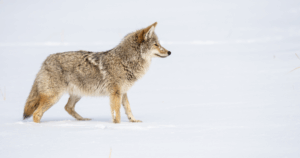
- Coyotes often follow wolf packs, feeding on leftovers. They also hunt small mammals by pouncing into snowdrifts.
- Red foxes use their acute hearing to detect mice under the snow, then launch into a high-arc dive, often face-first, to catch them.
- Snowshoe hares and voles create insulated tunnels beneath the snow (subnivean space), where the temperature remains near freezing regardless of the air temperature above.
These interactions, quick, quiet, and sometimes missed in other seasons, are frequent highlights of our Yellowstone winter wildlife spotting adventures.
6. Birds of Prey & Waterfowl: The Unexpected Survivors
Not all birds fly south for winter. Several raptor species and waterfowl stay in Yellowstone year-round.
- Bald eagles and ravens are scavengers, often trailing wolf packs or elk carcasses.
- Trumpeter swans and mallards use geothermal springs and rivers that remain unfrozen.
- Great gray owls, thanks to facial disc feathers that funnel sound, can hear rodents beneath snow from over 30 feet away.
For photographers, these bird sightings offer a beautiful contrast against the winter backdrop — and they’re often easier to capture when framed by snow.
7. Why Snowcoach Tours Are Ideal for Winter Wildlife Viewing
Our snowcoach wildlife tours make all of this accessible without requiring miles of trekking through snow.
Benefits of Snowcoach Travel
- Heated comfort, stay warm while you explore the park’s interior.
- Access to remote areas, some of the best viewing is deep in the park, accessible only by snowcoach.
- Expert interpretation from our trained naturalists provides real-time insights, helping you understand not just what you’re seeing, but why it matters.
- Photography opportunities, snowcoach windows, and optional step-out stops offer excellent wildlife and landscape viewing.
Unlike summer crowds, winter offers quiet intimacy. Guests often describe it as the park’s “secret season.”
8. What to Bring on a Yellowstone Winter Wildlife Tour
To make the most of your visit, be prepared:
Dress in Layers
Base layers, insulating layers, and waterproof outer layers.
Bring Binoculars
We provide scopes, but personal binoculars are helpful for close-range viewing.
Pack Extra Batteries
Cold weather drains batteries fast, especially for phones and cameras.
Water and Snacks
Even in winter, hydration matters.
Photography Tip
Overcast skies and snow can trick your camera’s metering. Use exposure compensation to avoid underexposed shots.
The Real Yellowstone Revealed in Winter
Winter strips Yellowstone down to its raw, resilient core where wolves track elk through snowdrifts, bison steam in geothermal valleys, and foxes dive headfirst into powder. This is not just a quiet season. It’s a season of survival, strategy, and stunning beauty.
If you’ve ever dreamed of seeing Yellowstone in a new light or simply want to understand how wildlife endures what we often can’t imagine, winter is your moment.
Join us on a snowcoach tour and witness it for yourself. Our guides don’t just drive, they interpret the story of the wild with every mile.
Explore Yellowstone snowcoach tours at wildlifeexpeditions.org