Stewarding the landscapes of the Greater Yellowstone Ecosystem takes a community effort. Across Teton County, volunteers are stepping forward to help defend wildlife habitat, restore native plant communities, and care for the public lands that make this place so special.
One of the most impactful ways community members contribute is through Habitat Heroes, a volunteer program led by Teton County Weed & Pest District that connects volunteers with invasive plant management and habitat restoration projects throughout the region.
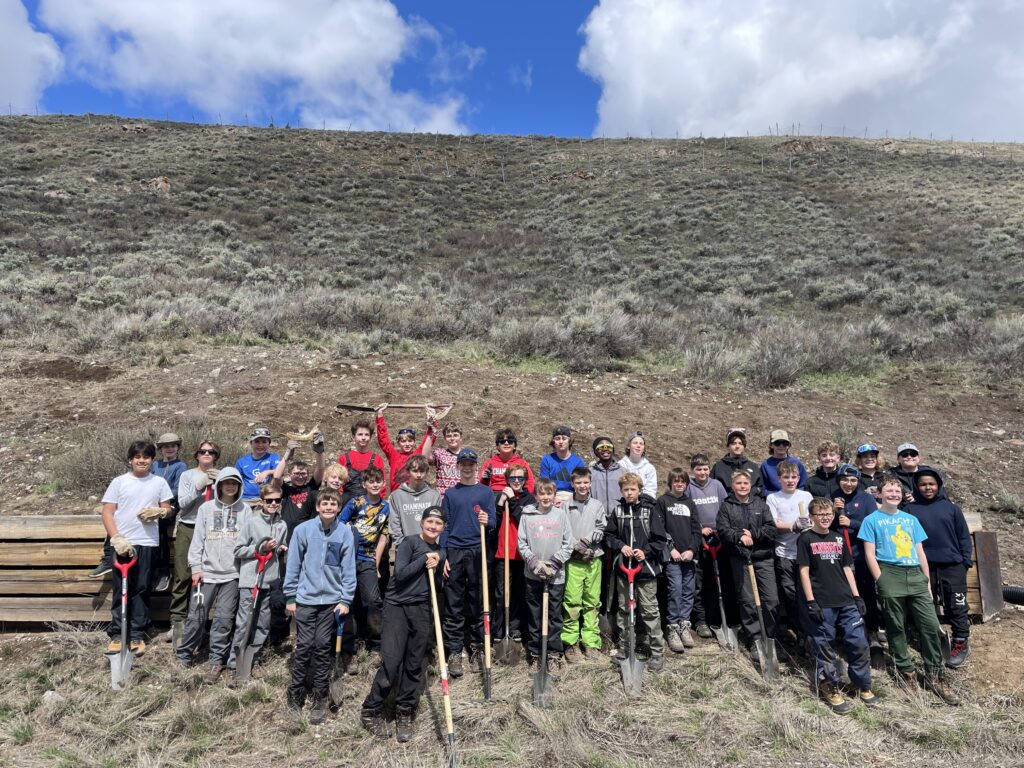
From June through September, Habitat Heroes works alongside public land managers, conservation organizations, schools, and community partners to remove invasive species and improve the health of local ecosystems. Volunteers gain valuable skills in plant identification and management while helping protect critical wildlife habitat.
At Teton Science Schools, we are proud to support and participate in these efforts.
A Year of Impact
The 2025 Habitat Heroes season demonstrated the power of community stewardship across the region. Volunteers participated in restoration and stewardship projects at locations including Shadow Mountain, Coburn Meadow, Gros Ventre Slide, Menor’s Ferry, R Park, Jackson Hole Land Trust’s flagship community open space, Teton Science Schools’ Kelly Campus, Teton Science Schools’ Jackson Campus, and other important public lands and community spaces throughout Teton County.
Together, Habitat Heroes volunteers:
- Participated in 57 volunteer events
- Removed 4,865 invasive plants
- Collected more than 110 pounds of invasive plant seed
- Contributed hundreds of volunteer hours to habitat restoration and stewardship efforts
Teton Science Schools staff, participants, and community members were proud to play a significant role in this collective impact. Through volunteer events hosted on our campuses and participation in projects across the valley, the Teton Science Schools community joined hundreds of local residents in caring for the places that support wildlife, learning, recreation, and community wellbeing.
From removing spotted knapweed and other invasive species to restoring native plant communities, every project contributed to the health and resilience of our shared landscapes. Whether working at R Park, restoring habitat on public lands, or stewarding educational campuses, volunteers helped strengthen the ecological health of places that benefit both people and wildlife.
Stewardship as Education
Programs like Habitat Heroes remind us that stewardship is not reserved for scientists or land managers. It belongs to all of us.
At Teton Science Schools, stewardship is a fundamental part of how we approach education. Meaningful learning happens when people engage directly with the places around them, developing both an understanding of ecological systems and a sense of responsibility for their future.
Volunteer experiences like Habitat Heroes create opportunities for people of all ages to move beyond learning about stewardship and actively participate in it. By contributing to the health of local landscapes, volunteers become part of a broader community effort to sustain the ecosystems that make this region unique.
Thank You to Our Community
The success of Habitat Heroes reflects the dedication of volunteers, land managers, conservation organizations, and community partners working toward a shared goal. Their collective efforts demonstrate what is possible when people come together to care for the places they love.
We are grateful to Teton County Weed & Pest District for leading this important program, the Jackson Hole Land Trust for its stewardship of R Park, and to everyone who contributed their time, energy, and expertise throughout the season.