
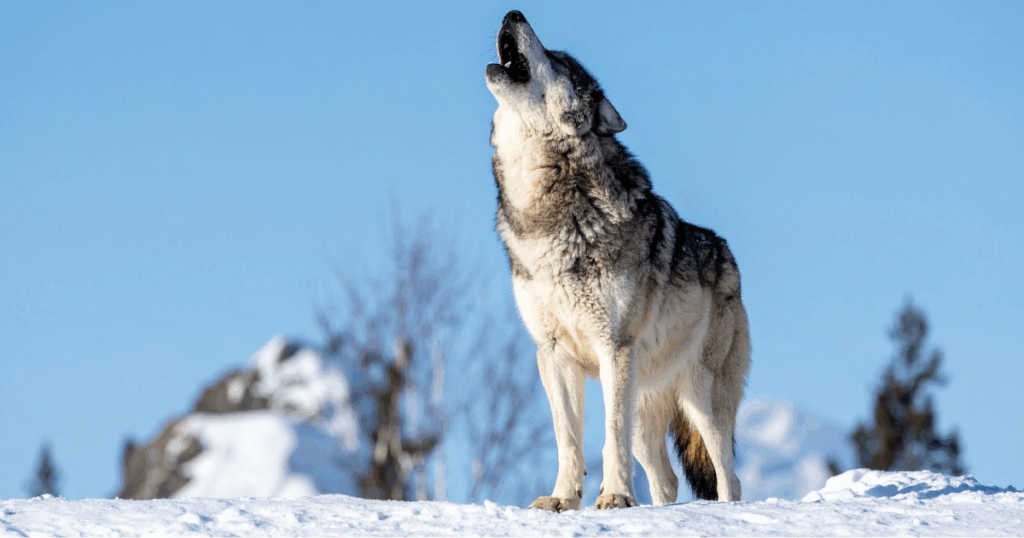
Winter in Yellowstone is nothing short of magical. Snow blankets the landscape, steam rises from thermal basins, and with the crowds of summer long gone, the park’s quieter months offer unmatched opportunities for wildlife viewing, especially wolves. If you’ve ever dreamed of seeing a wild wolf in its natural habitat, winter is the season, and Wildlife Expeditions is your trusted guide.
Let’s break down where to go, what to expect, and how to make the most of your wolf-spotting experience on a Yellowstone snowcoach tour this winter.
Why Winter is the Best Season for Wolf Watching
Wolves are elusive animals, but in Yellowstone, winter levels the playing field. Their dark coats stand out against the snow, they’re more active during daylight hours, and fewer visitors mean less disruption to their natural behavior.
Yellowstone is also home to one of the most studied and visible wolf populations in North America. Since their reintroduction in 1995, the park has become a world-renowned location for observing these apex predators in action.
Key Reasons Winter Is Ideal
- Higher visibility: Snow-covered landscapes make it easier to track and spot wolves.
- Active behavior: Wolves are more likely to hunt and move during the day.
- Sparse vegetation: Fewer leaves and open terrain help with long-range viewing.
- Snowcoach access: Winter-only travel via snowcoach opens up key areas where wolves roam.
Where to See Wolves in Yellowstone During Winter
Here’s the truth: wolf sightings are never guaranteed, but your odds improve significantly if you know where to go. Wildlife Expeditions focuses on high-probability areas for Yellowstone wolf spotting in winter, often accessed by our heated, elevated guided snowcoach tours.
1. Lamar Valley
Often called “America’s Serengeti,” Lamar Valley is the premier location for wolf watching year-round, but especially in winter. This northeastern region of the park is home to several well-known wolf packs that are frequently observed from the roadside.
- Common sightings junction Butte Pack, Lamar Canyon Pack
- What to expect, such as long viewing distances, bring binoculars or use guide scopes
- Accessibility roads are plowed, making this a top destination for dedicated wolf watchers
2. Hayden Valley
Though less active than Lamar in terms of pack density, Hayden Valley can offer surprising wolf sightings, especially in the early morning.
- Expansive open terrain, great backdrop for photography
- Snowcoach access is only in winter
3. Madison Junction to Norris
Along this stretch, wolves are occasionally spotted near geyser basins and river corridors. It’s less predictable, but we’ve had some memorable moments here during snowcoach tours.
- Bonus: You may see wolves and bison in the same view
4. Blacktail Plateau
A lesser-known but promising area, especially when packs roam between Lamar and Mammoth.
- Behavior to watch for: Pack travel, howling, and even play behavior
How to Spot Wolves from a Snowcoach
Snowcoach tours aren’t just about staying warm; they give you the elevation, expertise, and access that solo travelers usually can’t match.
Here’s How Wildlife Expeditions Enhances Your Wolf Spotting
- Professional biologists & naturalists onboard, trained to spot subtle movements and tracks
- Scopes and binoculars provided
- Real-time tracking updates: Our team stays connected to wildlife reports from rangers, researchers, and other guides
- Route flexibility: Snowcoaches allow for strategic stops and slow cruising through high-probability zones
“Many guests are surprised when we pull over and quietly point out a distant black figure moving through the snow. Then they realize it’s a wolf. It’s that moment of stillness, education, and wonder that makes this work so rewarding.”
— Wildlife Expeditions Naturalist Guide
What to Expect on a Winter Yellowstone Wildlife Tour
Seeing a wolf is just one part of the experience. Winter wildlife tours also showcase Yellowstone’s other cold-weather stars.
You May Also Encounter
- Bison covered in frost, breaking through snow to graze
- Elk congregating in valleys or along rivers.
- Coyotes hunting in meadows
- Trumpeter swans and bald eagles near open water
- Red foxes and otters are making surprise appearances
Our tours aren’t just sightseeing, they’re immersive educational experiences. You’ll learn about:
- Wolf pack structure and behavior
- Winter survival strategies of Yellowstone’s animals
- The ecology of thermal features and how they influence wildlife movement
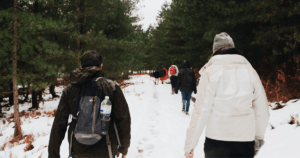
Preparing for Your Winter Wildlife Tour
We keep things comfortable, but a little preparation goes a long way toward making your experience even better.
What to Wear
- Insulated, waterproof boots
- Base layers, mid layers, and a warm outer jacket
- Gloves, hat, and scarf or neck gaiter
- Sunglasses (snow glare is real!)
What to Bring
- Your own camera (our guides can help you find the shot)
- Reusable water bottle
- Curiosity (and maybe a notebook for naturalist notes!)
Our Yellowstone snowcoach tours depart from Jackson, WY, and include transport, guiding, equipment, and plenty of warm beverages. You’ll be in safe hands and in the company of people who care deeply about this landscape.
Wolf Behavior in Winter: What Makes This Season Special?
Wolves in winter behave differently than in other seasons, mainly due to food availability and pack dynamics.
Things You May Observe
- Pack travel: Wolves often move long distances in winter, increasing chances of spotting them.
- Hunting behavior: With weakened prey (mostly elk and bison), hunting becomes more successful and visible.
- Territorial howling: A spine-tingling sound, often used to mark pack boundaries or locate missing members.
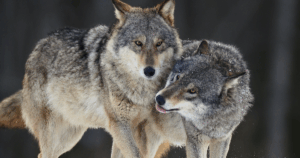
- Play and bonding: Winter is a time of strong pack cohesion, and playful behavior helps reinforce social bonds.
Scientific research in Yellowstone has shown that wolves can travel up to 30 miles per day in winter conditions. That’s why guided tours equipped with local knowledge and real-time tracking are key to keeping up with their movement.
Source: Yellowstone Wolf Project Annual Report, NPS
Winter Wildlife Photography Tips
Want that iconic wolf-in-snow photo? Here’s how to increase your chances:
- Use a long lens (300mm+ recommended)
- Steady your shot with a snowcoach window or guide-provided tripod
- Adjust for brightness, and snowy scenes can trick your camera’s exposure.
- Be patient, and quiet wolves are sensitive to noise and motion.
Our guides are happy to offer photography tips; many are skilled nature photographers themselves.
Why Choose Wildlife Expeditions?
We’re not just a tour company. Wildlife Expeditions is part of the Teton Science Schools, meaning education is at the heart of every journey. Since 1999, our team of trained biologists has helped visitors connect deeply with the Greater Yellowstone Ecosystem.
When you travel with us, you’re supporting local conservation and educational outreach while enjoying one of the best Yellowstone snowcoach tours in winter.
Ready to Spot Wolves This Winter?
If you’re dreaming of watching wolves in the wild, surrounded by snow and silence, now’s the time to make it happen. Wildlife Expeditions offers expertly guided, comfortable, and deeply rewarding snowcoach tours from Jackson, WY, into the heart of Yellowstone.
Whether it’s your first trip or your fifth, each winter experience offers something new—because the wildlife is wild, and that’s the beauty of it.
Book your Yellowstone Winter Wildlife Tour
Or explore more on our Wildlife Expeditions Blog.