Rising Leader Robbie Bond Is Inspiring a New Generation to Speak out for Public Lands
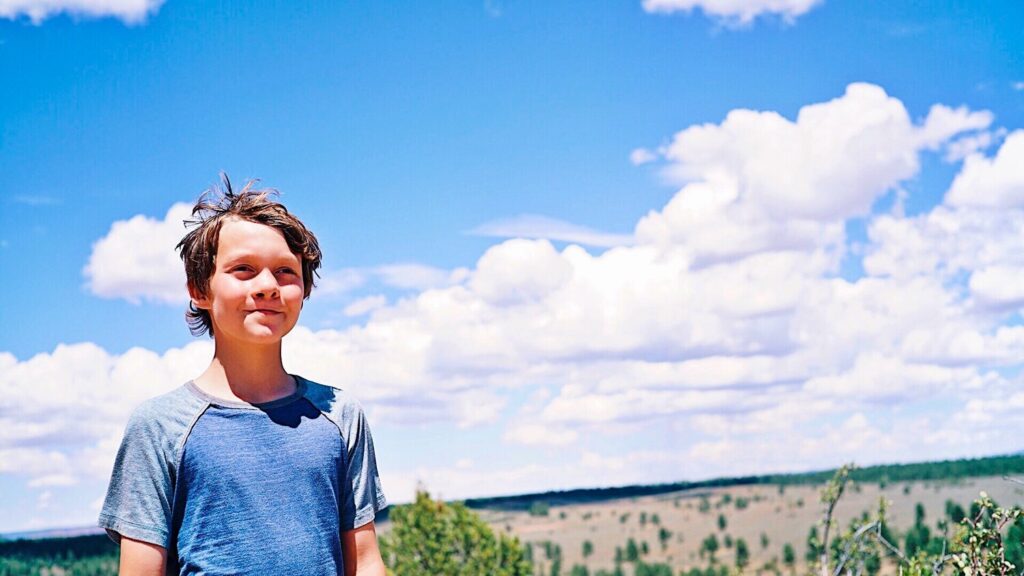
“I am small, but I have giant ideas.”
-Robbie Bond, youth activist and founder of Kids Speak for Parks …
Robbie Bond believes that his voice matters. And he wants other kids to know that their voices are powerful,
The Legacy of Leadership: Mardy Murie and the Spirit of Conservation
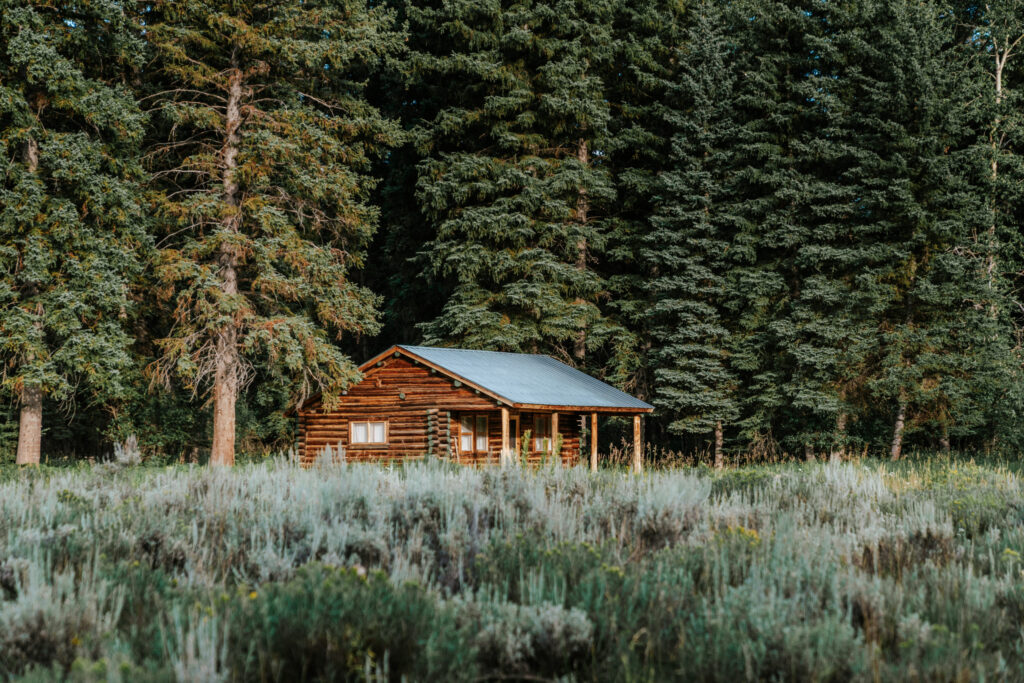
“I’m counting on the new generation coming up. I have to believe in their spirit, as those who came before me believed in mine.”
-Mardy Murie …
A cornerstone of our work at Teton Science Schools is fostering leadership.
Kevin’s Corner: The Sights and Sounds of Late Summer
It is typical to get a rainstorm or a series of storms in August that bump us out of summer, and into that transition between summer and fall.
Those events occurred between August 18th and August 21st. …
Moose of the Greater Yellowstone Ecosystem
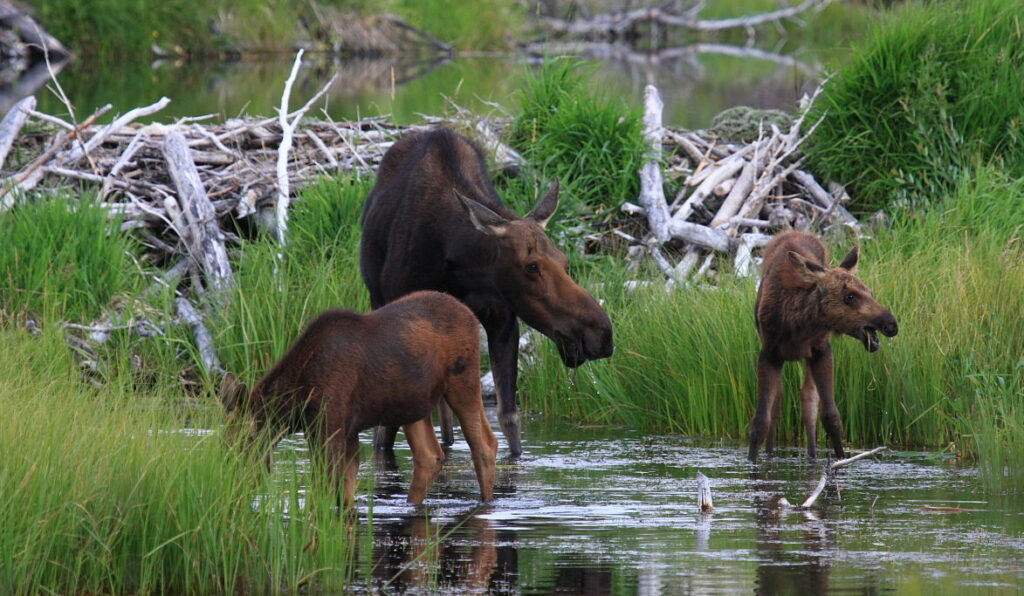
Many moose calves celebrated their first birthdays earlier this summer. And if you are a mama moose in the Greater Yellowstone Ecosystem that has raised a calf to its first birthday, you’re pretty darn special. …
Bears and Berries
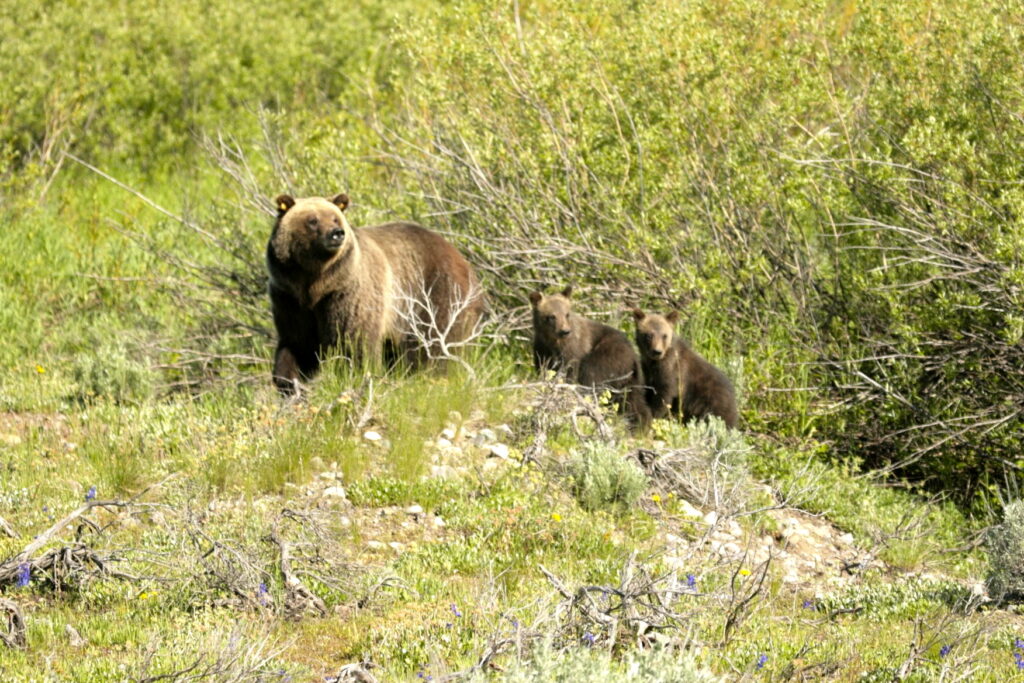
Making the most of opportunities that allow people to safely and respectfully observe bears in the wilds of Grand Teton and Yellowstone National Parks is a special part of what we do through Wildlife Expeditions at Teton Science Schools. …
How to Avoid Crowds in Yellowstone
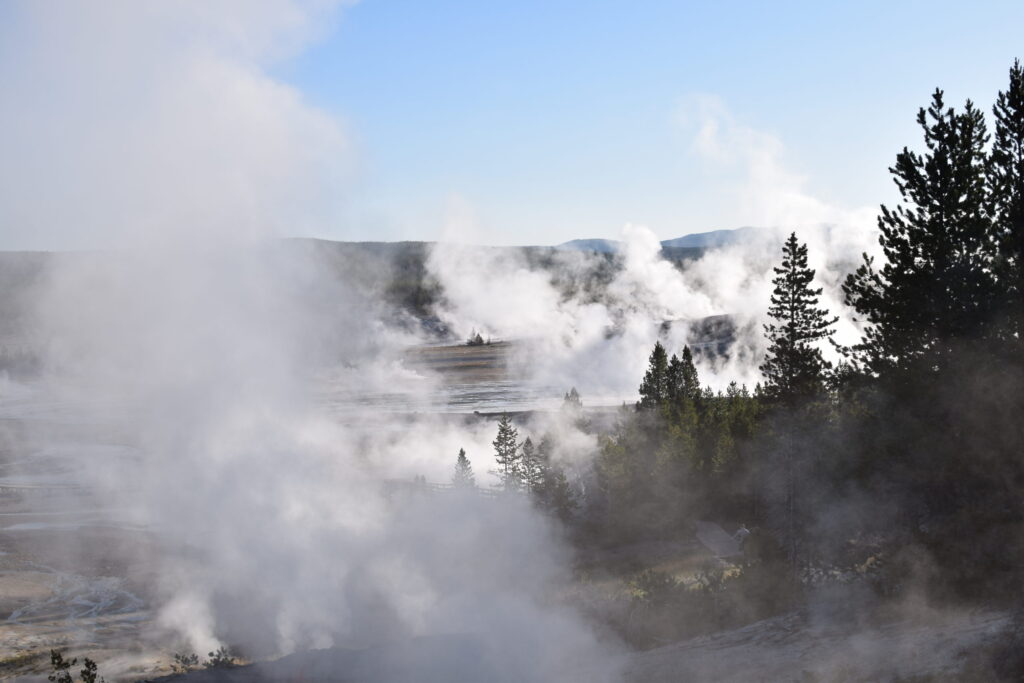
The 2.2 million acres of Yellowstone National Park are filled with remarkable sights and wildlife. They are also filled with an annual total of over 4 million visitors, most of whom are in the park between mid-May to the end of September. The crowds, limited parking, and heavy traffic can add to the stress of a visit and disconnect us from the magic of an encounter with Yellowstone wilderness. Yet even on the busiest day of the summer, you can still find intimate moments in the Park.
Kevin’s Corner: For Everything, There is a Season
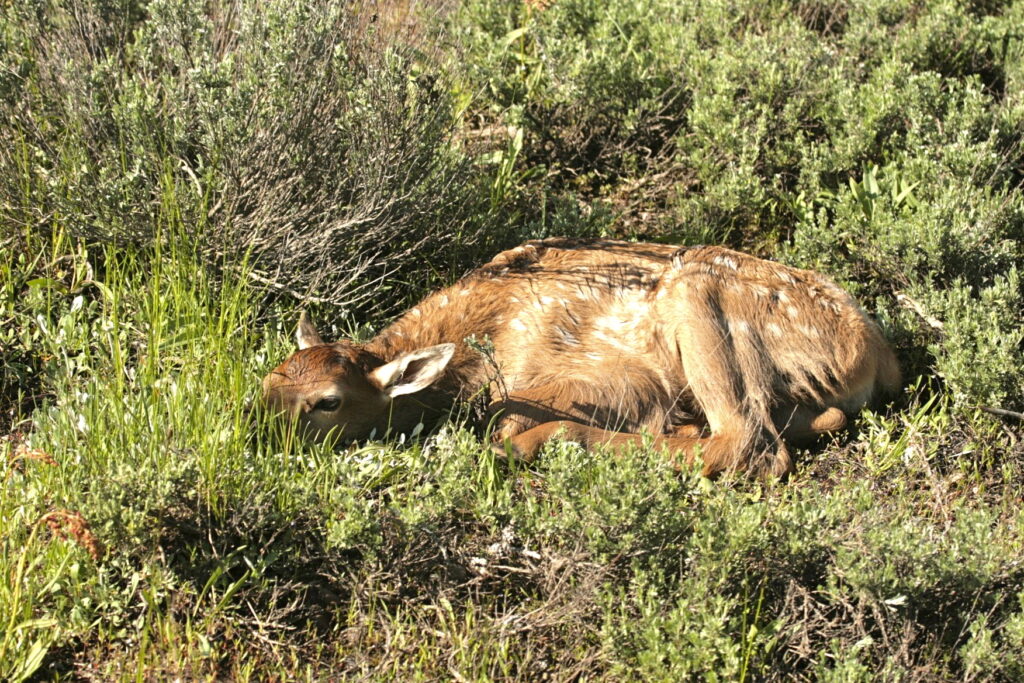
This is a time for paying attention to rebirth.
I have been noticing lone female Elk and Pronghorn quite a bit in the past week and a half. With both species being herd animals, …
Find Where the Wild Things Are this Summer with Wildlife Expeditions
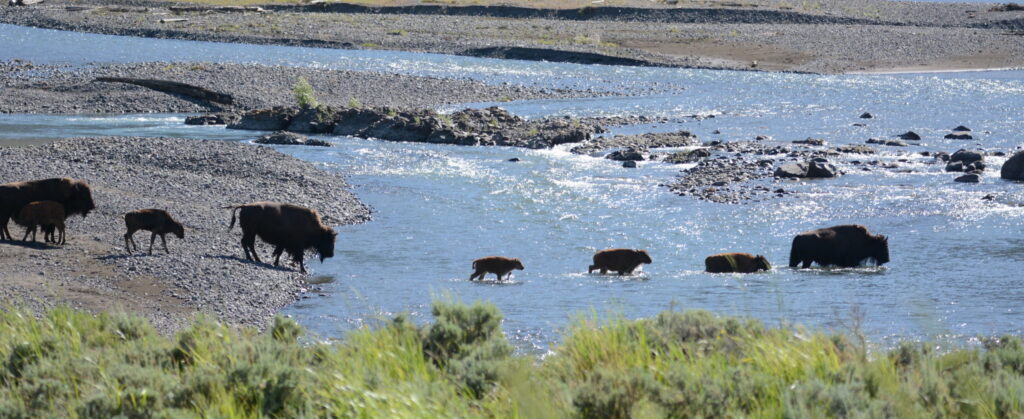
What’s your earliest memory of a national park? Who were you with? What season was it? What was the best adventure of that trip? Is it time to make new memories in one of these special places? …
Summers at the Murie Ranch are Back!
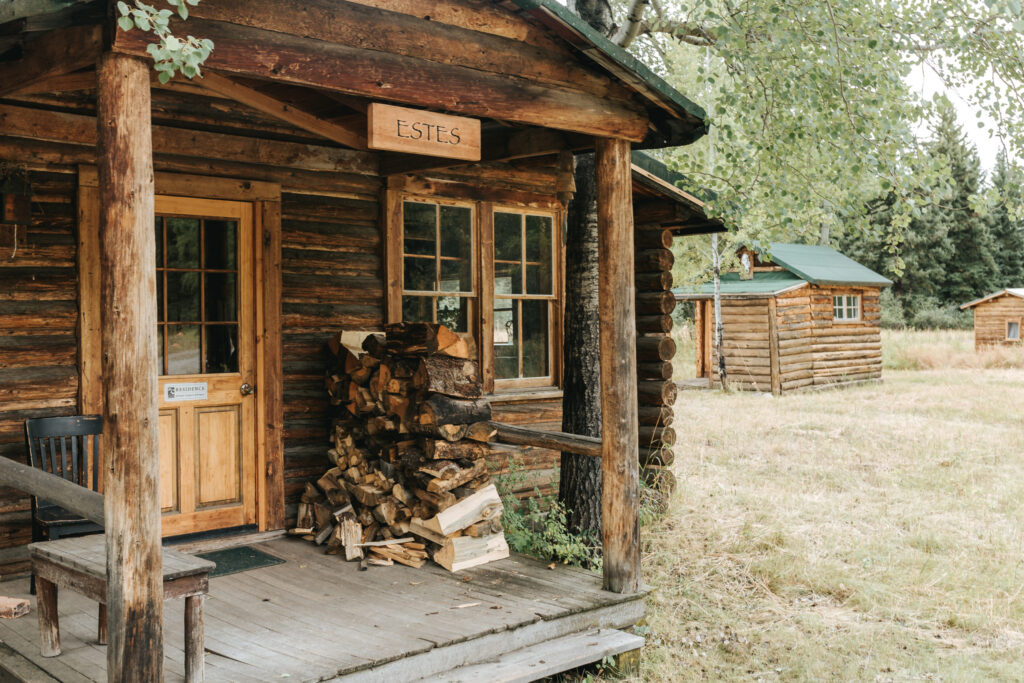
The Murie Ranch is open to visitors again this summer, with public tours offered daily Monday through Friday at 11:30 am!
Celebrate Spring with Community Science
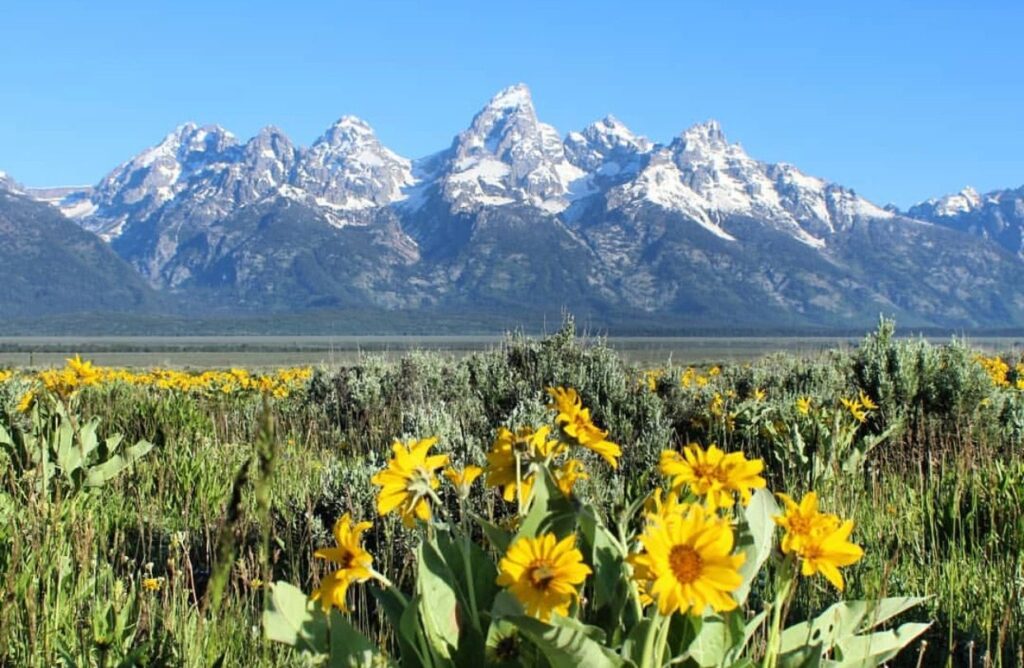
At Teton Science Schools, we embrace a culture of lifelong learning. So it’s only natural that when we create an opportunity to connect through citizen and community science, we look forward to it with enthusiasm. …